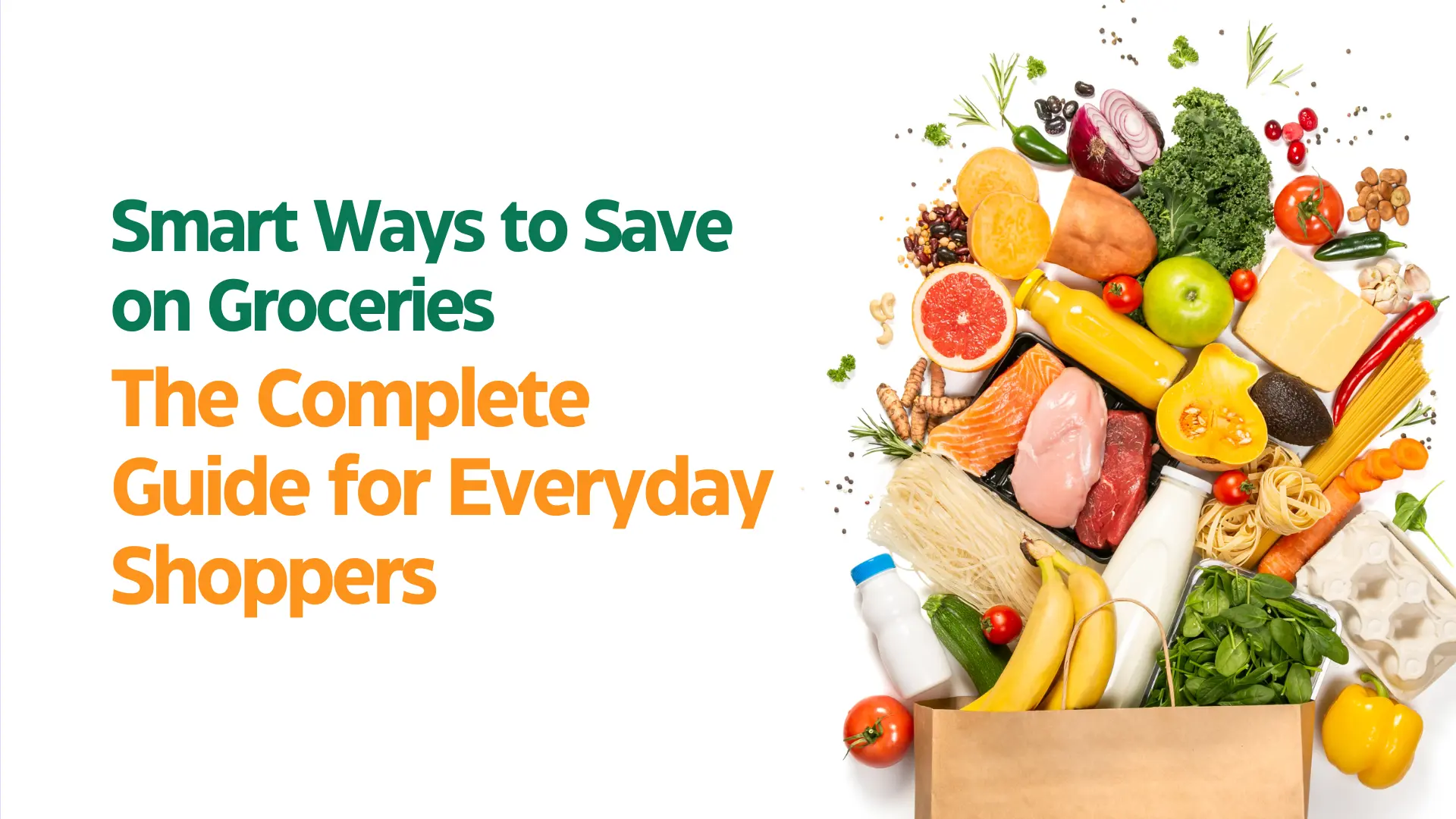
Smart Ways to Save on Groceries: The Complete Guide for Everyday Shoppers
- by Save On Groceries
- Dec 18, 2025
Groceries are one of the most consistent and unavoidable household expenses. Whether you live alone, support a family, or manage a tight budget, grocery bills can quickly add up. With food prices rising steadily, learning how to save on groceries has become more important than ever.
The good news is that saving money on groceries does not require extreme couponing or sacrificing nutrition. With smart planning, mindful shopping habits, and a few proven strategies, everyday shoppers can significantly reduce their grocery expenses while still enjoying quality food.
This guide offers practical, research-based grocery saving tips tailored for everyday consumers. The focus is on sustainable habits that can be applied weekly to create long-term savings.
Why Saving on Groceries Is Important
Saving on groceries is not just about spending less; it is about spending wisely. Even a small weekly reduction in grocery costs can lead to substantial annual savings.
Benefits include:
- Improved household budgeting
- Reduced food waste
- Better meal organization
- Increased financial flexibility
When grocery spending is controlled, households can redirect money toward savings, emergencies, or lifestyle improvements.
Meal Planning: The Foundation of Grocery Savings
Meal planning is one of the most effective ways to save money on groceries. Without a plan, shoppers are more likely to make impulse purchases and buy unnecessary items.
How meal planning helps:
- Reduces impulse buying
- Prevents duplicate purchases
- Encourages efficient ingredient use
- Minimizes food waste
Steps to start meal planning:
1. Review pantry and fridge inventory
2. Choose meals based on available ingredients and weekly specials
3. Create a detailed shopping list
4. Stick to the plan when shopping
Households that plan meals weekly often save between 15 to 20 percent on grocery costs.
Create and Stick to a Grocery List:
A grocery list acts as a spending guide. Shopping without a list increases the likelihood of unplanned purchases.
Tips for effective lists:
- Organize by store sections
- Avoid shopping while hungry
- Cross-check items before checkout
Using a list consistently helps shoppers stay focused and within budget.
Compare Prices Before Shopping
Prices for the same grocery items can vary significantly between stores. Comparing prices ensures that you pay the lowest possible amount.
Price comparison strategies:
- Compare unit prices instead of the total price
- Use grocery comparison websites and apps
- Track recurring items over time
Price comparison can reduce grocery bills by up to 30 percent for households that shop strategically.
Shopping Weekly Specials and Discounts
Most supermarkets offer weekly promotions, clearance items, and seasonal discounts.
How to shop specials wisely:
- Buy non-perishable items when discounted
- Avoid buying unnecessary items just because they are on sale
- Freeze discounted meat or produce for later use
Strategic shopping during promotions leads to consistent weekly savings.
Choose Store Brands Over Name Brands
Store-brand products often match the quality of national brands but come at a lower cost.
Common store-brand savings items
- Rice, pasta, and flour
- Canned vegetables and beans
- Dairy products
- Snacks and cereals
Switching to store brands for staple items can reduce grocery spending by 10 to 25 percent.
Buy in Bulk When Practical
Bulk buying reduces the cost per unit and is ideal for products with long shelf lives.
Best items to buy in bulk:
- Pantry staples
- Cleaning supplies
- Toiletries
Avoid bulk buying perishable items unless they can be frozen or used quickly.
Shop Seasonal and Local Produce
Seasonal produce is typically cheaper, fresher, and more nutritious.
Advantages
- Lower prices due to higher availability
- Better taste and quality
- Reduced transportation costs
Planning meals around seasonal produce naturally lowers grocery expenses.
Avoid Impulse Purchases
Impulse buying is one of the biggest reasons grocery bills exceed budgets.
Ways to avoid impulse purchases
- Eat before shopping
- Avoid unnecessary aisles
- Set a spending limit
Mindful shopping habits help prevent unnecessary spending.
Use Loyalty Programs and Rewards
Many supermarkets offer loyalty programs that provide discounts, points, and exclusive deals.
Benefits include:
- Member-only pricing
- Cashback offers
- Long-term rewards
Using loyalty programs consistently enhances overall grocery savings.
Cook at Home and Batch Cook
Cooking at home is significantly cheaper than eating out or buying ready-made meals.
Batch cooking benefits
- Saves time
- Reduces food waste
- Lowers cost per meal
Leftovers can be repurposed into new meals, maximizing ingredient use.
Track Your Grocery Spending
Tracking grocery expenses helps identify spending patterns and opportunities for savings.
Ways to track spending
- Monthly grocery budget
- Expense tracking apps
- Reviewing receipts
Awareness leads to better financial decisions.
Conclusion
Saving on groceries is about developing consistent and sustainable habits. By planning meals, comparing prices, shopping strategically, and avoiding waste, households can reduce grocery expenses without sacrificing quality.
These grocery saving strategies are designed for everyday shoppers and can be applied weekly to achieve long-term financial benefits.
Frequently Asked Questions